




Phone cameras make it easy to capture everything, from birthdays to random sunsets. However, many of those moments stay buried in a camera roll. A 2025 survey reported by the New York Post found people store about 1,598 photos on their phones.
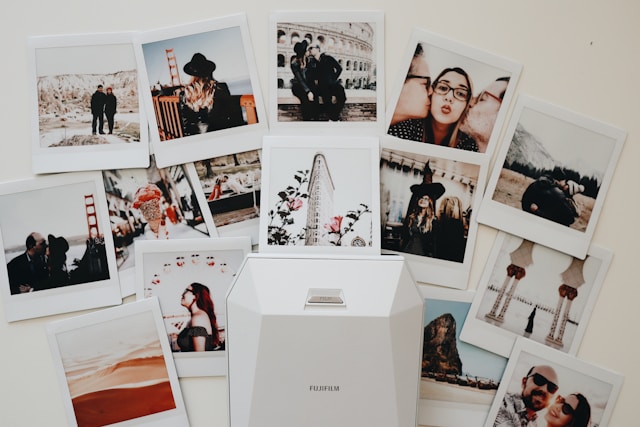
When images live only on screens, they can fade fast. Nearly one in five people in that same survey said they rarely look back at their photos. Printed photos and wall art solve a simple problem. They put memories where daily life can actually see them.
Why Some Photos Stick with You
Digital and physical memories do not work the same way in the brain. Screens are quick and convenient, but they also encourage endless scrolling. Physical images slow the moment down and give it a place to live.
When Camera Rolls Hide Real Moments
This section looks at why so many meaningful photos never get revisited. It also explains why printing is showing signs of a comeback. Many people need a prompt that fits into daily routines.
A simple fix is to pick a few favorites and give them a visible spot at home. For example, turning one strong image into high-quality canvas art prints can make it part of the room. That choice also creates a clear end point, instead of another saved image.
The same 2025 survey found 55 percent of people wish they had more printed photos on display. People who displayed prints linked them with nostalgia and happiness. Psychologist Angharad Rudkin called this gap “untapped memory syndrome,” where unseen photos fade from recall.
Gen Z adds an interesting twist to this story. The survey reported 43 percent of Gen Z regularly print digital photos, compared with 5 percent of Boomers. This pattern suggests younger adults are building small printing rituals.
How Screens Can Rewrite What Happened
This section covers a quieter risk of screen-only memories. Digital images can change, and that can change what people think they remember; research on media authenticity shows how edits and filters can alter recollection. Edits, filters, and recaps can blur the original context.
In a 2024 experiment with 200 participants, researchers first showed original images. Later, participants saw either the same images or altered versions made with AI. Some groups viewed AI-generated videos based on edited images. Those participants were more than twice as likely to form false memories. Their confidence was about 19 percent higher.
The findings are described in a 2024 preprint on synthetic human memories and false recollection. The authors also note that subtle edits can be enough to shift recall. In everyday life, a favorite print on a fridge tends to stay stable and less altered over time.
Making Prints Part of Daily Life
This section shares what research suggests about why tangible things stick. It also offers practical ways to turn digital shots into daily cues. Simple displays can also support routines like meals, homework, or morning coffee.
A 2024 human computer interaction study compared a large physical model of a school’s history with the same content on a large digital screen. People learned the material faster with the physical display and remembered it more accurately seven days later. Participants also rated the physical version as more usable and engaging.
Mood plays a role too. Studies on biophilic and “happy” imagery link nature rich scenes with higher happiness ratings and lower stress, and researchers even use AI to sort huge image sets for those traits. One project used a 20,000 image happiness dataset, and another highlighted cues like plants, water, animals, and seasonal details. These patterns suggest the best wall images are calm, bright, and familiar.
A few simple habits make physical images easier to live with. Printing on a schedule, such as four times per year, helps curate highlights. Going bigger for one key photo can also help the memory stick. Clustering family, holiday, and landscape images in shared spaces keeps them in view.
Done well, a wall becomes a gentle reminder system that keeps stories in view. It can spark quick conversations, especially when guests notice a photo. Over time, the display becomes part of how a home feels and functions.
Keeping Both, Without Losing Meaning
Digital photos are still useful for sharing, searching, and storing lots of moments. However, the same convenience can hide the images that matter most. Printing adds friction in a good way, because it forces a choice.
A workable balance is simple in practice. Use the phone for capture and backup, then curate a short best-of set. Display a few stable images in daily sightlines, like kitchens or living rooms. When a memory has a place in the room, it has a better chance of staying alive.